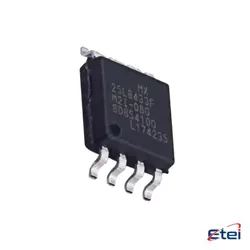
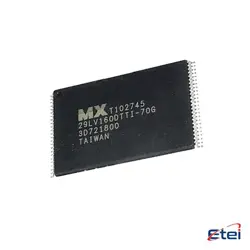
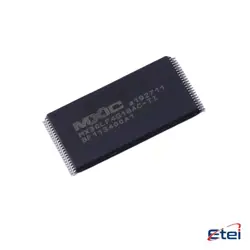
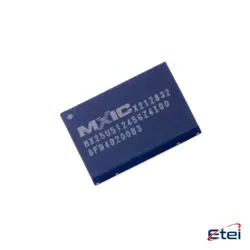
圖片僅供參考
規格
| 屬性 | 價值 |
| Supplier | Eaton - Bussmann Electrical Division |
| Package | Bulk |
| ProductStatus | Obsolete |
概述
Description
"T-1-4-10" generally refers to a structured approach or framework, but without specific context, it's difficult to pinpoint its exact application. In many contexts, such numbering or titling could represent a sequence of steps, a categorization system, or a methodology involving different stages or elements.
If "T-1-4-10" pertains to a particular industry or field, such as project management, organizational strategy, or educational curriculum, it might imply a tiered system: for example, "T" could stand for "Tier" or "Task," "1" might denote the initial phase or primary task, "4" could represent sub-tasks or secondary objectives, and "10" could refer to detailed steps or additional goals within the process.
Without explicit context, the best approach is to consult the specific material, guide, or framework where "T-1-4-10" is mentioned. If you have access to more detailed information or a specific document, it would provide clarity on the exact meaning and application of this structure.
If "T-1-4-10" pertains to a particular industry or field, such as project management, organizational strategy, or educational curriculum, it might imply a tiered system: for example, "T" could stand for "Tier" or "Task," "1" might denote the initial phase or primary task, "4" could represent sub-tasks or secondary objectives, and "10" could refer to detailed steps or additional goals within the process.
Without explicit context, the best approach is to consult the specific material, guide, or framework where "T-1-4-10" is mentioned. If you have access to more detailed information or a specific document, it would provide clarity on the exact meaning and application of this structure.
Pinout
The T-1-4-10 designation typically refers to a type of transistor package, particularly the TO-18 package. The TO-18 is a metal can package used for transistors and other semiconductor devices. It usually has three pins, which are commonly designated as the emitter, base, and collector in the case of bipolar junction transistors (BJTs).
The pin configuration is generally as follows:
1. Emitter: This pin is the terminal through which charge carriers (electrons or holes) exit the transistor. It is responsible for emitting carriers into the base region of the transistor.
2. Base: The base is the control terminal and is used to modulate the flow of charge carriers between the emitter and collector.
3. Collector: The collector is the terminal where charge carriers are collected. It is the main output terminal of the transistor.
Note that the specific pin configuration can vary depending on the manufacturer or specific device type, so it is always a good idea to refer to the datasheet of the specific component for precise details.
The pin configuration is generally as follows:
1. Emitter: This pin is the terminal through which charge carriers (electrons or holes) exit the transistor. It is responsible for emitting carriers into the base region of the transistor.
2. Base: The base is the control terminal and is used to modulate the flow of charge carriers between the emitter and collector.
3. Collector: The collector is the terminal where charge carriers are collected. It is the main output terminal of the transistor.
Note that the specific pin configuration can vary depending on the manufacturer or specific device type, so it is always a good idea to refer to the datasheet of the specific component for precise details.
Manufacturer
The T-1-4-10 is manufactured by Oil States Industries, a company that specializes in providing advanced products and services for the energy sector. Oil States Industries is a leader in designing and manufacturing various products for offshore and onshore oil and gas operations, subsea pipeline installation, drilling, and production systems. Known for their innovative solutions and engineering expertise, they cater to the needs of the oil and gas industry by providing equipment that enhances operational safety and efficiency.
Application
T-1-4-10 is typically a designation for a specific grade of structural steel, often used in applications requiring high strength and durability. Its main application areas include:
1. Construction: Used in building frameworks, bridges, and other infrastructure due to its strength and reliability.
2. Manufacturing: Utilized in the production of heavy machinery and industrial equipment.
3. Automotive: Employed in making parts that require high tensile strength.
4. Energy Sector: Applied in constructing pipelines and energy platforms.
5. Shipbuilding: Used for constructing vessels due to its excellent stress resistance.
These applications benefit from the material’s structural integrity and resistance to environmental stressors.
1. Construction: Used in building frameworks, bridges, and other infrastructure due to its strength and reliability.
2. Manufacturing: Utilized in the production of heavy machinery and industrial equipment.
3. Automotive: Employed in making parts that require high tensile strength.
4. Energy Sector: Applied in constructing pipelines and energy platforms.
5. Shipbuilding: Used for constructing vessels due to its excellent stress resistance.
These applications benefit from the material’s structural integrity and resistance to environmental stressors.