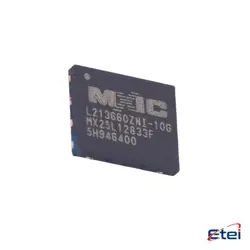
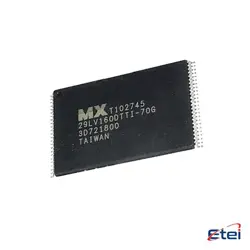
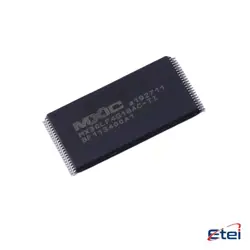
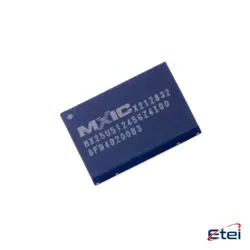
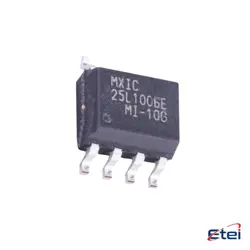
圖片僅供參考
STM32G483QET3
+物料清單IC MCU 32BIT 512KB FLASH 128LQFP
-
製造商意法半導體
-
製造商部分 #STM32G483QET3
-
有存貨6115
365 天品質保證
7*24 小時服務保證
90-日售後保障
正品保證
規格
| 屬性 | 價值 |
| Series | STM32G4 |
| Part Status | Active |
| Core Processor | ARM® Cortex®-M4 |
| Core Size | 32-Bit |
| Speed | 170MHz |
| Connectivity | CANbus, I2C, IrDA, LINbus, QSPI, SAI, SPI, UART/USART, USB |
| Peripherals | Brown-out Detect/Reset, DMA, I2S, LCD, POR, PWM, WDT |
| Number of I/O | 107 |
| Program Memory Size | 512KB (512K x 8) |
| Program Memory Type | FLASH |
| RAM Size | 128K x 8 |
| Voltage - Supply (Vcc/Vdd) | 1.71V ~ 3.6V |
| Data Converters | A/D 42x12b SAR; D/A 7x12b |
| Oscillator Type | Internal |
| Operating Temperature | -40°C ~ 125°C (TA) |
| Mounting Type | Surface Mount |
| Supplier Device Package | 128-LQFP (14x14) |
| Package / Case | 128-LQFP |
| Base Product Number | STM32G483 |
概述
Description
The STM32G483QET3 is a microcontroller from STMicroelectronics' STM32G4 series, designed for high-performance and energy-efficient applications. It features a 32-bit ARM Cortex-M4 core operating at frequencies up to 170 MHz, providing a powerful processing environment for complex tasks.
This microcontroller includes a rich set of integrated peripherals, such as ADCs, timers, communication interfaces (UART, SPI, I2C), and GPIOs, enabling versatile connectivity and control options. It also supports advanced features like digital signal processing (DSP), hardware floating-point operations, and various low-power modes, making it suitable for battery-operated devices and energy-sensitive applications.
The STM32G483QET3 includes 512 KB of Flash memory and 128 KB of SRAM, allowing for the development of intricate applications. Additionally, it supports multiple development environments and toolchains, facilitating software development. Its compact LQFP-64 package makes it ideal for space-constrained designs.
Overall, the STM32G483QET3 is well-suited for industrial, consumer, and IoT applications requiring high performance and low power consumption.
This microcontroller includes a rich set of integrated peripherals, such as ADCs, timers, communication interfaces (UART, SPI, I2C), and GPIOs, enabling versatile connectivity and control options. It also supports advanced features like digital signal processing (DSP), hardware floating-point operations, and various low-power modes, making it suitable for battery-operated devices and energy-sensitive applications.
The STM32G483QET3 includes 512 KB of Flash memory and 128 KB of SRAM, allowing for the development of intricate applications. Additionally, it supports multiple development environments and toolchains, facilitating software development. Its compact LQFP-64 package makes it ideal for space-constrained designs.
Overall, the STM32G483QET3 is well-suited for industrial, consumer, and IoT applications requiring high performance and low power consumption.
Equivalent
The STM32G483QET3 chip can be closely matched with other STM32G4 series chips, such as the STM32G474, STM32G471, and STM32G484. Differences may include variations in memory size, GPIO count, or specific peripherals. When selecting an equivalent, consider factors like package type, clock speed, and required functionalities to ensure compatibility with your application. Always refer to the official STMicroelectronics documentation for detailed comparisons.
Features
The STM32G483QET3 is a microcontroller from STMicroelectronics' STM32G4 series, designed for high-performance applications. Key features include:
- Core: ARM Cortex-M4 running at up to 170 MHz with a Floating Point Unit (FPU).
- Memory: 256 KB of Flash memory and 64 KB of SRAM.
- Peripherals: Multiple I/O ports, up to 45 GPIOs, SPI, I2C, USART, and USB 2.0 full-speed interface.
- ADC: 3x 12-bit ADCs with up to 3.6 MSPS and support for multiple channels.
- Timers: 4x general-purpose timers and advanced control timers for PWM generation.
- DAC: Dual 12-bit DACs for analog output.
- Low Power: Multiple low-power modes for energy efficiency.
- Advanced Security: Hardware CRC, AES, and TRNG support.
- Communication: CAN, SDMMC, and more, facilitating various communication protocols.
- Package: LQFP-64, providing flexibility in design.
This microcontroller is ideal for applications in motor control, industrial automation, and consumer electronics.
- Core: ARM Cortex-M4 running at up to 170 MHz with a Floating Point Unit (FPU).
- Memory: 256 KB of Flash memory and 64 KB of SRAM.
- Peripherals: Multiple I/O ports, up to 45 GPIOs, SPI, I2C, USART, and USB 2.0 full-speed interface.
- ADC: 3x 12-bit ADCs with up to 3.6 MSPS and support for multiple channels.
- Timers: 4x general-purpose timers and advanced control timers for PWM generation.
- DAC: Dual 12-bit DACs for analog output.
- Low Power: Multiple low-power modes for energy efficiency.
- Advanced Security: Hardware CRC, AES, and TRNG support.
- Communication: CAN, SDMMC, and more, facilitating various communication protocols.
- Package: LQFP-64, providing flexibility in design.
This microcontroller is ideal for applications in motor control, industrial automation, and consumer electronics.
Pinout
The STM32G483QET3 microcontroller features a 48-pin package. It belongs to the STM32G4 series, which is designed for high-performance applications. The key functions of its pins include:
1. GPIO: General-purpose input/output for various digital I/O operations.
2. Analog: Includes ADC (Analog-to-Digital Converter) inputs for sensor interfacing.
3. USART/I2C/SPI: Communication interfaces for serial data transfer with peripherals.
4. PWM: Outputs for motor control and other timing applications.
5. Timers: For scheduling and time-related functions.
6. Debugging: SWD (Serial Wire Debug) pins for programming and debugging.
7. Power: VDD and GND pins for power supply and grounding.
The STM32G483QET3 is well-suited for applications requiring efficiency and versatility, such as IoT devices, motor drivers, and sensor applications.
1. GPIO: General-purpose input/output for various digital I/O operations.
2. Analog: Includes ADC (Analog-to-Digital Converter) inputs for sensor interfacing.
3. USART/I2C/SPI: Communication interfaces for serial data transfer with peripherals.
4. PWM: Outputs for motor control and other timing applications.
5. Timers: For scheduling and time-related functions.
6. Debugging: SWD (Serial Wire Debug) pins for programming and debugging.
7. Power: VDD and GND pins for power supply and grounding.
The STM32G483QET3 is well-suited for applications requiring efficiency and versatility, such as IoT devices, motor drivers, and sensor applications.
Manufacturer
The manufacturer of the STM32G483QET3 is STMicroelectronics. STMicroelectronics is a multinational electronics and semiconductor manufacturer headquartered in Geneva, Switzerland. The company specializes in a wide range of products, including microcontrollers, sensors, power management devices, and analog ICs.
STMicroelectronics is known for its innovation in embedded systems and provides solutions for various applications, including automotive, industrial, consumer electronics, and IoT (Internet of Things). The STM32G4 series, which includes the STM32G483QET3, features high-performance ARM Cortex-M4 microcontrollers designed for embedded applications, offering advanced features such as digital signal processing capabilities, low power consumption, and extensive connectivity options.
Established in 1987, STMicroelectronics has a global presence with manufacturing, research, and development facilities worldwide, making it one of the leading companies in the semiconductor industry.
STMicroelectronics is known for its innovation in embedded systems and provides solutions for various applications, including automotive, industrial, consumer electronics, and IoT (Internet of Things). The STM32G4 series, which includes the STM32G483QET3, features high-performance ARM Cortex-M4 microcontrollers designed for embedded applications, offering advanced features such as digital signal processing capabilities, low power consumption, and extensive connectivity options.
Established in 1987, STMicroelectronics has a global presence with manufacturing, research, and development facilities worldwide, making it one of the leading companies in the semiconductor industry.
Application
The STM32G483QET3 is a microcontroller suitable for various applications, including:
1. Consumer Electronics: Used in smart devices for enhanced interactivity.
2. Industrial Automation: Implements control systems and monitoring solutions.
3. IoT Devices: Supports wireless communication and sensor data processing.
4. Medical Equipment: Utilized in portable diagnostic tools and monitoring systems.
5. Smart Home Applications: Controls lighting, security, and energy management systems.
6. Wearable Technology: Powers fitness trackers and health monitoring devices.
Its low power consumption, advanced features, and flexibility make it ideal for these areas.
1. Consumer Electronics: Used in smart devices for enhanced interactivity.
2. Industrial Automation: Implements control systems and monitoring solutions.
3. IoT Devices: Supports wireless communication and sensor data processing.
4. Medical Equipment: Utilized in portable diagnostic tools and monitoring systems.
5. Smart Home Applications: Controls lighting, security, and energy management systems.
6. Wearable Technology: Powers fitness trackers and health monitoring devices.
Its low power consumption, advanced features, and flexibility make it ideal for these areas.
Package
The STM32G483QET3 is packaged in a LQFP (Low-Profile Quad Flat Package) type with 64 pins. It features a 10x10 mm footprint and is designed for applications requiring compact and efficient designs.