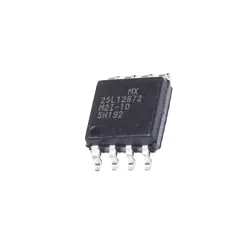
圖片僅供參考
SAC57D54HCVMOR
+物料清單IC MCU 32BIT 4MB FLASH 516MAPBGA
-
製造商恩智浦美國股份有限公司。
-
製造商部分 #SAC57D54HCVMOR
-
有存貨4004
365 天品質保證
7*24 小時服務保證
90-日售後保障
正品保證
規格
| 屬性 | 價值 |
| Series | MAC57Dxxx |
| Part Status | Last Time Buy |
| DigiKey Programmable | Not Verified |
| Core Processor | ARM® Cortex®-A5/M4/M0+ |
| Core Size | 32-Bit Tri-Core |
| Speed | 80MHz, 160MHz, 320MHz |
| Connectivity | CANbus, EBI/EMI, Ethernet, I2C, LINbus, SPI |
| Peripherals | DMA, LCD, LVD/HVD, POR, PWM, WDT |
| Program Memory Size | 4MB (4M x 8) |
| Program Memory Type | FLASH |
| RAM Size | 2.3M x 8 |
| Voltage - Supply (Vcc/Vdd) | 3.15V ~ 5.5V |
| Data Converters | A/D 24x12b |
| Oscillator Type | Internal |
| Operating Temperature | -40°C ~ 105°C (TA) |
| Mounting Type | Surface Mount |
| Supplier Device Package | 516-MAPBGA (27x27) |
| Package / Case | 516-BGA |
| Base Product Number | SAC57 |
概述
Description
SAC57D54HCVMOR is a specific model of a microcontroller or integrated circuit, typically used in embedded systems and electronic applications. It is part of the semiconductor family and is designed for high-performance tasks, often incorporating features like analog-to-digital converters, digital I/O ports, timers, and communication interfaces (such as UART, SPI, or I2C).
The "SAC" prefix may indicate a specific manufacturer or series, while the "57D54" typically refers to the architecture and capabilities of the chip. "HC" usually denotes high-speed characteristics, and "VMOR" may represent a specific package type or additional features.
This microcontroller is commonly utilized in applications ranging from industrial automation to consumer electronics, providing flexibility and efficiency for developers. For detailed specifications, reference designs, and application notes, consulting the manufacturer's datasheet is essential, as it provides comprehensive information on electrical characteristics, pin configurations, and programming guidelines.
The "SAC" prefix may indicate a specific manufacturer or series, while the "57D54" typically refers to the architecture and capabilities of the chip. "HC" usually denotes high-speed characteristics, and "VMOR" may represent a specific package type or additional features.
This microcontroller is commonly utilized in applications ranging from industrial automation to consumer electronics, providing flexibility and efficiency for developers. For detailed specifications, reference designs, and application notes, consulting the manufacturer's datasheet is essential, as it provides comprehensive information on electrical characteristics, pin configurations, and programming guidelines.
Equivalent
The SAC57D54HCVMOR chip is a microcontroller from the Microchip Technology family. Equivalent products include the Microchip PIC16F series, PIC18F series, and other similar microcontrollers from Microchip or NXP with comparable specifications. For precise alternatives, refer to the datasheets of specific models or use cross-reference tools provided by manufacturers. Always consider factors like pin count, memory size, and peripheral features when looking for equivalents.
Features
The SAC57D54HCVMOR is a high-performance, low-power microcontroller from the STM32 family, designed for a variety of embedded applications. Key features include:
1. Core: ARM Cortex-M4 processor with FPU (Floating Point Unit) for enhanced computational capabilities.
2. Clock Speed: Operates at up to 168 MHz, allowing for fast task execution.
3. Memory: Offers up to 512 KB of Flash memory and 128 KB of SRAM, enabling storage of complex code and data.
4. Peripheral Interfaces: Supports multiple communication interfaces, including I2C, SPI, USART, and USB, facilitating connectivity with various devices.
5. ADC/DAC: Integrated high-resolution ADCs and DACs for analog signal processing.
6. Power Management: Features various low-power modes for energy-efficient operation, ideal for battery-powered applications.
7. Development Support: Compatible with development tools like STM32Cube and other IDEs for streamlined application development.
These attributes make the SAC57D54HCVMOR suitable for applications in industrial control, consumer electronics, and IoT devices.
1. Core: ARM Cortex-M4 processor with FPU (Floating Point Unit) for enhanced computational capabilities.
2. Clock Speed: Operates at up to 168 MHz, allowing for fast task execution.
3. Memory: Offers up to 512 KB of Flash memory and 128 KB of SRAM, enabling storage of complex code and data.
4. Peripheral Interfaces: Supports multiple communication interfaces, including I2C, SPI, USART, and USB, facilitating connectivity with various devices.
5. ADC/DAC: Integrated high-resolution ADCs and DACs for analog signal processing.
6. Power Management: Features various low-power modes for energy-efficient operation, ideal for battery-powered applications.
7. Development Support: Compatible with development tools like STM32Cube and other IDEs for streamlined application development.
These attributes make the SAC57D54HCVMOR suitable for applications in industrial control, consumer electronics, and IoT devices.
Pinout
The SAC57D54HCVMOR is a dual-channel, 16-bit precision analog-to-digital converter (ADC) with a total of 56 pins. Its primary functions include converting analog signals into digital data with high resolution and speed.
Key features include:
1. Dual-channel operation for simultaneous sampling.
2. High-speed conversion rates suitable for various applications.
3. Programmable gain amplifier for signal conditioning.
4. Integrated digital filtering and advanced signal processing capabilities.
The pinout typically includes power supply pins, ground pins, analog input pins, digital output pins, control interface pins (like SPI or I2C), and other peripheral connections necessary for operation and configuration.
For specific applications or detailed electrical characteristics, refer to the manufacturer's datasheet.
Key features include:
1. Dual-channel operation for simultaneous sampling.
2. High-speed conversion rates suitable for various applications.
3. Programmable gain amplifier for signal conditioning.
4. Integrated digital filtering and advanced signal processing capabilities.
The pinout typically includes power supply pins, ground pins, analog input pins, digital output pins, control interface pins (like SPI or I2C), and other peripheral connections necessary for operation and configuration.
For specific applications or detailed electrical characteristics, refer to the manufacturer's datasheet.
Manufacturer
The manufacturer of the SAC57D54HCVMOR is Texas Instruments (TI). Texas Instruments is a global semiconductor design and manufacturing company known for its innovative products and solutions in analog electronics, embedded processors, and digital signal processing. Founded in 1930, TI has established itself as a leader in the semiconductor industry, providing a wide range of products used in various applications, including automotive, industrial, consumer electronics, and communication.
The SAC57D54HCVMOR is part of the company's extensive portfolio of integrated circuits (ICs), specifically designed for applications requiring high-performance analog and digital functionalities. TI focuses on developing technologies that enhance efficiency, reliability, and connectivity in electronic systems, catering to both large-scale enterprise needs and consumer-level applications.
Overall, Texas Instruments is recognized for its commitment to innovation, quality, and customer support, making it a key player in the semiconductor sector.
The SAC57D54HCVMOR is part of the company's extensive portfolio of integrated circuits (ICs), specifically designed for applications requiring high-performance analog and digital functionalities. TI focuses on developing technologies that enhance efficiency, reliability, and connectivity in electronic systems, catering to both large-scale enterprise needs and consumer-level applications.
Overall, Texas Instruments is recognized for its commitment to innovation, quality, and customer support, making it a key player in the semiconductor sector.
Application
The SAC57D54HCVMOR is a mixed-signal microcontroller primarily used in automotive and industrial applications. Its application areas include:
1. Automotive Control Systems: Engine management, sensor interfacing, and vehicle dynamics control.
2. Industrial Automation: Process control, robotics, and machine monitoring.
3. Consumer Electronics: Smart home devices, appliances, and wearable technology.
4. Embedded Systems: IoT devices and telemetry applications.
5. Communication Systems: Data acquisition and signal processing tasks.
These areas leverage the microcontroller’s capabilities for real-time processing and integration of various sensors and actuators.
1. Automotive Control Systems: Engine management, sensor interfacing, and vehicle dynamics control.
2. Industrial Automation: Process control, robotics, and machine monitoring.
3. Consumer Electronics: Smart home devices, appliances, and wearable technology.
4. Embedded Systems: IoT devices and telemetry applications.
5. Communication Systems: Data acquisition and signal processing tasks.
These areas leverage the microcontroller’s capabilities for real-time processing and integration of various sensors and actuators.
Package
The SAC57D54HCVMOR is packaged in a 57-pin VFBGA (Very Fine Ball Grid Array) package type.