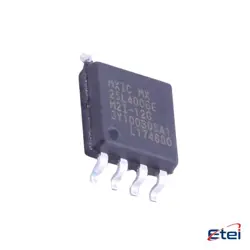
圖片僅供參考
S25FL128LAGMFI003
+物料清單IC FLASH 128MBIT SPI/QUAD 16SOIC
-
製造商英飛淩科技
-
製造商部分 #S25FL128LAGMFI003
-
有存貨5105
365 天品質保證
7*24 小時服務保證
90-日售後保障
正品保證
規格
| 屬性 | 價值 |
| Series | FL-L |
| Part Status | Active |
| Digi Key Programmable | Not Verified |
| Memory Type | Non-Volatile |
| Memory Format | FLASH |
| Technology | FLASH - NOR |
| Memory Size | 128Mbit |
| Memory Organization | 16M x 8 |
| Memory Interface | SPI - Quad I/O, QPI |
| Voltage - Supply | 2.7V ~ 3.6V |
| Operating Temperature | -40°C ~ 85°C (TA) |
| Mounting Type | Surface Mount |
| Package / Case | 16-SOIC (0.295", 7.50mm Width) |
| Supplier Device Package | 16-SOIC |
| Base Product Number | S25FL128 |
| Clock Frequency | 133 MHz |
概述
Description
The S25FL128LAGMFI003 is a part of the Cypress Semiconductor’s FL-L family of SPI Flash memory devices. It is a 128 Mbit (16 MB) Serial NOR Flash memory featuring a high-performance, low-power, and cost-effective solution for a wide range of consumer and industrial applications. This device supports a Serial Peripheral Interface (SPI) with multi I/O capabilities, including Single, Dual, and Quad SPI modes, providing flexibility in data transfer speeds and configurations.
Key features of the S25FL128LAGMFI003 include fast read/write capabilities, sector erase functionality, and advanced security features such as block protection and hardware-based write protection. It operates over a wide range of temperatures and voltages, making it suitable for various environmental conditions. The device is typically used in applications like code shadowing, data storage, and boot memory in embedded systems.
The S25FL128LAGMFI003 offers reliability with a high endurance of program/erase cycles and data retention, making it an ideal choice for applications requiring robust and long-lasting memory solutions.
Key features of the S25FL128LAGMFI003 include fast read/write capabilities, sector erase functionality, and advanced security features such as block protection and hardware-based write protection. It operates over a wide range of temperatures and voltages, making it suitable for various environmental conditions. The device is typically used in applications like code shadowing, data storage, and boot memory in embedded systems.
The S25FL128LAGMFI003 offers reliability with a high endurance of program/erase cycles and data retention, making it an ideal choice for applications requiring robust and long-lasting memory solutions.
Equivalent
The S25FL128LAGMFI003 is a 128Mb Serial NOR Flash memory chip made by Cypress Semiconductor (now part of Infineon Technologies). Equivalent products might include the W25Q128JV from Winbond, the MX25L12835F from Macronix, or the AT25SF128A from Adesto Technologies (now part of Dialog Semiconductor/Renesas). Ensure compatibility by checking specifications like voltage, package type, and interface protocol when considering replacements.
Features
The S25FL128LAGMFI003 is a NOR Flash memory chip from the Cypress Semiconductor S25FL-L family. It offers a storage capacity of 128 Mbit (16 MB) and is designed for high-performance, reliability, and energy efficiency. Key features include:
1. Dual-SPI and Quad-SPI: Supports dual and quad serial peripheral interface modes, enabling faster data transfer rates.
2. Fast Read Speeds: Provides fast read capabilities with a frequency of up to 133 MHz, enhancing system performance.
3. Sector Erase: Features sector-erase capability, allowing for flexibility in data handling with 4 KB sectors.
4. Low Power Consumption: Designed for low power operations, making it suitable for battery-powered devices.
5. Wide Temperature Range: Operates efficiently across a wide temperature range, typically from -40°C to +85°C, suitable for various environments.
6. Security Features: Includes security features such as block protection and a 64-bit unique ID for device authentication.
7. Endurance and Data Retention: Offers high endurance and data retention, with typical endurance of 100,000 program/erase cycles per sector.
These features make it ideal for applications in automotive, industrial, and consumer electronics.
1. Dual-SPI and Quad-SPI: Supports dual and quad serial peripheral interface modes, enabling faster data transfer rates.
2. Fast Read Speeds: Provides fast read capabilities with a frequency of up to 133 MHz, enhancing system performance.
3. Sector Erase: Features sector-erase capability, allowing for flexibility in data handling with 4 KB sectors.
4. Low Power Consumption: Designed for low power operations, making it suitable for battery-powered devices.
5. Wide Temperature Range: Operates efficiently across a wide temperature range, typically from -40°C to +85°C, suitable for various environments.
6. Security Features: Includes security features such as block protection and a 64-bit unique ID for device authentication.
7. Endurance and Data Retention: Offers high endurance and data retention, with typical endurance of 100,000 program/erase cycles per sector.
These features make it ideal for applications in automotive, industrial, and consumer electronics.
Pinout
The S25FL128LAGMFI003 is a 128 Mbit (16 MB) Serial NOR Flash memory from the Infineon Technologies Cypress Semiconductor's FL-L family. It typically features a standard 8-pin configuration. The pins generally serve the following functions:
1. CS# (Chip Select): This active-low signal is used to select the device.
2. SO (Serial Output): Outputs data from the memory.
3. WP# (Write Protect): Used to protect certain portions of the memory from being overwritten.
4. VSS (Ground): Ground reference for the device.
5. SI (Serial Input): Inputs data into the memory.
6. SCK (Serial Clock): Provides the timing for data transfer.
7. HOLD# (Hold): Pauses any serial communication without deselecting the device.
8. VCC (Supply Voltage): Powers the device.
Please note that while these are standard pin functions for many serial flash memory devices, specific configurations may vary slightly across different models or manufacturers. Always refer to the specific datasheet for the exact pin configuration and functions.
1. CS# (Chip Select): This active-low signal is used to select the device.
2. SO (Serial Output): Outputs data from the memory.
3. WP# (Write Protect): Used to protect certain portions of the memory from being overwritten.
4. VSS (Ground): Ground reference for the device.
5. SI (Serial Input): Inputs data into the memory.
6. SCK (Serial Clock): Provides the timing for data transfer.
7. HOLD# (Hold): Pauses any serial communication without deselecting the device.
8. VCC (Supply Voltage): Powers the device.
Please note that while these are standard pin functions for many serial flash memory devices, specific configurations may vary slightly across different models or manufacturers. Always refer to the specific datasheet for the exact pin configuration and functions.
Manufacturer
The S25FL128LAGMFI003 is manufactured by Infineon Technologies AG. Infineon is a German semiconductor manufacturer known for producing a wide range of semiconductor solutions. Their product portfolio includes microcontrollers, sensors, automotive ICs, power semiconductors, and security controllers, among others.
Infineon serves various industries, including automotive, industrial, communications, and security sectors, providing solutions that enable energy efficiency, mobility, and security. The company is recognized for its innovation in developing products that cater to the growing demands of modern technology, such as electric vehicles, renewable energy systems, and smart devices.
Infineon's focus on innovation, quality, and sustainability positions it as a significant player in the global semiconductor market. The S25FL128LAGMFI003 is part of their flash memory product line, indicating their involvement in developing storage solutions as well.
Infineon serves various industries, including automotive, industrial, communications, and security sectors, providing solutions that enable energy efficiency, mobility, and security. The company is recognized for its innovation in developing products that cater to the growing demands of modern technology, such as electric vehicles, renewable energy systems, and smart devices.
Infineon's focus on innovation, quality, and sustainability positions it as a significant player in the global semiconductor market. The S25FL128LAGMFI003 is part of their flash memory product line, indicating their involvement in developing storage solutions as well.
Application
The S25FL128LAGMFI003 is a 128-Mbit serial NOR flash memory, commonly used in various applications. Its primary applications include:
1. Consumer Electronics: Used in smartphones, tablets, and digital cameras for firmware storage.
2. Automotive: Supports infotainment systems, navigation systems, and ADAS due to its reliability and fast read speeds.
3. Industrial: Employed in PLCs, HMI panels, and other industrial control systems for storing critical firmware.
4. Networking: Utilized in routers, switches, and other networking equipment for boot code and configuration data.
5. Medical Devices: Stores software and firmware in diagnostic and monitoring equipment, ensuring reliable operation.
These applications benefit from its high-speed performance, endurance, and reliability.
1. Consumer Electronics: Used in smartphones, tablets, and digital cameras for firmware storage.
2. Automotive: Supports infotainment systems, navigation systems, and ADAS due to its reliability and fast read speeds.
3. Industrial: Employed in PLCs, HMI panels, and other industrial control systems for storing critical firmware.
4. Networking: Utilized in routers, switches, and other networking equipment for boot code and configuration data.
5. Medical Devices: Stores software and firmware in diagnostic and monitoring equipment, ensuring reliable operation.
These applications benefit from its high-speed performance, endurance, and reliability.
Package
The S25FL128LAGMFI003 is a NOR Flash memory chip, and it typically comes in an 8-lead SOIC (Small Outline Integrated Circuit) package type. This package is designed for surface mounting on circuit boards, providing a compact form factor suitable for a variety of electronic applications.