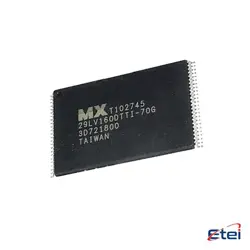
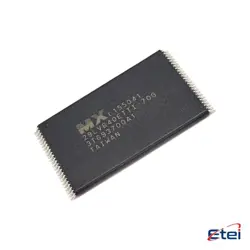
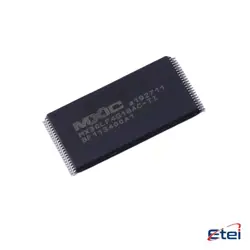
圖片僅供參考
XC6SLX75-2FGG484C
+物料清單IC FPGA 280 I/O 484FBGA
-
製造商AMD
-
製造商部分 #XC6SLX75-2FGG484C
-
有存貨6129
365 天品質保證
7*24 小時服務保證
90-日售後保障
正品保證
規格
| 屬性 | 價值 |
| Series | Spartan®-6 LX |
| Part Status | Active |
| Base Product Number | XC6SLX75 |
| Digi Key Programmable | Not Verified |
| Number of LA Bs / CL Bs | 5831 |
| Number of Logic Elements / Cells | 74637 |
| Total RAM Bits | 3170304 |
| Number of I/O | 280 |
| Voltage - Supply | 1.14V ~ 1.26V |
| Mounting Type | Surface Mount |
| Operating Temperature | 0°C ~ 85°C (TJ) |
| Package / Case | 484-BBGA |
| Supplier Device Package | 484-FBGA (23x23) |
| Packaging | Tray |
概述
Description
The XC6SLX75-2FGG484C is part of Xilinx's Spartan-6 family of field-programmable gate arrays (FPGAs). It is designed for high-performance, cost-sensitive applications and offers a balance of price, power, and performance. This specific model, XC6SLX75, provides about 74,376 logic cells and has a -2 speed grade. The package type is FGG484, a Fine-pitch Ball Grid Array with 484 pins, which supports various IO standards and interfaces, making it suitable for diverse applications.
Spartan-6 FPGAs are built on a 45nm process technology, offering lower power consumption and better performance compared to previous generations. The device supports features such as high-speed memory interfaces, DSP slices for signal processing, and multiple clock management resources. It is commonly used in areas like automotive, consumer electronics, telecommunications, and industrial control systems.
The XC6SLX75-2FGG484C is valued for its efficiency, flexibility, and scalability, making it a popular choice for developers looking for a reliable FPGA solution for mid-range applications.
Spartan-6 FPGAs are built on a 45nm process technology, offering lower power consumption and better performance compared to previous generations. The device supports features such as high-speed memory interfaces, DSP slices for signal processing, and multiple clock management resources. It is commonly used in areas like automotive, consumer electronics, telecommunications, and industrial control systems.
The XC6SLX75-2FGG484C is valued for its efficiency, flexibility, and scalability, making it a popular choice for developers looking for a reliable FPGA solution for mid-range applications.
Equivalent
The XC6SLX75-2FGG484C is a Xilinx Spartan-6 FPGA. Equivalent products might include:
1. Altera (now Intel) Cyclone IV series, such as the EP4CE75.
2. Lattice ECP3 series, such as the LFE3-70EA.
3. Microsemi (now Microchip) SmartFusion or IGLOO2 series, depending on specific requirements.
Consider the specific performance, logic cells, I/O, and power needs to determine the best equivalent.
1. Altera (now Intel) Cyclone IV series, such as the EP4CE75.
2. Lattice ECP3 series, such as the LFE3-70EA.
3. Microsemi (now Microchip) SmartFusion or IGLOO2 series, depending on specific requirements.
Consider the specific performance, logic cells, I/O, and power needs to determine the best equivalent.
Features
The XC6SLX75-2FGG484C is a member of the Xilinx Spartan-6 FPGA family. Key features include:
1. Logic Cells: Contains approximately 74,376 logic cells, which support complex digital designs.
2. Slices: Comprises 11,662 slices, each with four 6-input LUTs and eight flip-flops.
3. I/O Pins: Provides up to 268 user I/O pins, facilitating extensive connectivity.
4. Memory: Features 3,096 Kbits of block RAM for data storage and buffering.
5. DSP Slices: Includes 132 DSP48A1 slices for efficient signal processing tasks.
6. Clock Management: Offers up to 6 clock management tiles, each with 2 DCMs and 1 PLL, for flexible clock generation and distribution.
7. Configuration Options: Supports multiple configuration methods, including JTAG.
8. Package: Comes in a 484-pin FBGA package, ensuring compact footprint and integration.
9. Power Efficiency: Designed for low power consumption, making it suitable for energy-sensitive applications.
10. Speed Grade: The "-2" speed grade indicates moderate performance and timing capabilities within the Spartan-6 range.
These features make the XC6SLX75-2FGG484C suitable for a variety of applications, including communications, consumer electronics, and industrial systems.
1. Logic Cells: Contains approximately 74,376 logic cells, which support complex digital designs.
2. Slices: Comprises 11,662 slices, each with four 6-input LUTs and eight flip-flops.
3. I/O Pins: Provides up to 268 user I/O pins, facilitating extensive connectivity.
4. Memory: Features 3,096 Kbits of block RAM for data storage and buffering.
5. DSP Slices: Includes 132 DSP48A1 slices for efficient signal processing tasks.
6. Clock Management: Offers up to 6 clock management tiles, each with 2 DCMs and 1 PLL, for flexible clock generation and distribution.
7. Configuration Options: Supports multiple configuration methods, including JTAG.
8. Package: Comes in a 484-pin FBGA package, ensuring compact footprint and integration.
9. Power Efficiency: Designed for low power consumption, making it suitable for energy-sensitive applications.
10. Speed Grade: The "-2" speed grade indicates moderate performance and timing capabilities within the Spartan-6 range.
These features make the XC6SLX75-2FGG484C suitable for a variety of applications, including communications, consumer electronics, and industrial systems.
Pinout
The XC6SLX75-2FGG484C is a member of the Xilinx Spartan-6 FPGA family. It comes in a Fine-Pitch Ball Grid Array (FBGA) package with 484 pins (or balls). This FPGA is designed to provide a balance of performance, logic density, and power efficiency, suitable for cost-sensitive applications.
Key functions and features of the XC6SLX75-2FGG484C include:
1. Logic Cells: It contains 74,637 logic cells, providing a significant amount of programmable logic.
2. Slices: The FPGA is composed of 11,662 slices, with each slice having four 6-input LUTs and eight flip-flops.
3. DSP Slices: It includes 132 DSP slices for efficient digital signal processing tasks.
4. Block RAM: It offers 3,096 Kbits of block RAM for memory-intensive applications.
5. I/O Pins: The device supports multiple I/O standards with a variety of I/O pins, though the exact number varies based on configuration and usage.
6. Clock Management: It features advanced clock management with Digital Clock Managers (DCMs) and Phase-Locked Loops (PLLs).
7. Power: Designed for low power consumption to suit energy-efficient applications.
These features make it suitable for a wide range of applications, including communication, automotive, consumer electronics, and industrial systems.
Key functions and features of the XC6SLX75-2FGG484C include:
1. Logic Cells: It contains 74,637 logic cells, providing a significant amount of programmable logic.
2. Slices: The FPGA is composed of 11,662 slices, with each slice having four 6-input LUTs and eight flip-flops.
3. DSP Slices: It includes 132 DSP slices for efficient digital signal processing tasks.
4. Block RAM: It offers 3,096 Kbits of block RAM for memory-intensive applications.
5. I/O Pins: The device supports multiple I/O standards with a variety of I/O pins, though the exact number varies based on configuration and usage.
6. Clock Management: It features advanced clock management with Digital Clock Managers (DCMs) and Phase-Locked Loops (PLLs).
7. Power: Designed for low power consumption to suit energy-efficient applications.
These features make it suitable for a wide range of applications, including communication, automotive, consumer electronics, and industrial systems.
Manufacturer
The XC6SLX75-2FGG484C is manufactured by Xilinx, Inc. Xilinx is a technology company that specializes in designing and developing programmable logic devices. These devices include Field Programmable Gate Arrays (FPGAs), which are used for custom hardware configurations in various applications, such as telecommunications, automotive, aerospace, and consumer electronics. Xilinx's products enable developers to implement complex digital systems quickly and efficiently by programming the hardware to perform specific tasks, offering flexibility and scalability in electronic design.
Application
The XC6SLX75-2FGG484C is a member of the Xilinx Spartan-6 FPGA family and is used in a variety of applications due to its flexibility and cost-effectiveness. Key application areas include:
1. Consumer Electronics: Used in devices like TVs and set-top boxes for signal processing.
2. Communications: Employed in networking equipment for data routing and packet processing.
3. Automotive: Applied in advanced driver-assistance systems (ADAS) and infotainment systems.
4. Industrial: Utilized in industrial automation for control systems and machine vision.
5. Medical: Used in diagnostic equipment for imaging and data processing.
6. Aerospace and Defense: Implemented in radar and communication systems for signal processing tasks.
These applications benefit from the FPGA's reprogrammability, parallel processing capabilities, and energy efficiency.
1. Consumer Electronics: Used in devices like TVs and set-top boxes for signal processing.
2. Communications: Employed in networking equipment for data routing and packet processing.
3. Automotive: Applied in advanced driver-assistance systems (ADAS) and infotainment systems.
4. Industrial: Utilized in industrial automation for control systems and machine vision.
5. Medical: Used in diagnostic equipment for imaging and data processing.
6. Aerospace and Defense: Implemented in radar and communication systems for signal processing tasks.
These applications benefit from the FPGA's reprogrammability, parallel processing capabilities, and energy efficiency.
Package
The XC6SLX75-2FGG484C is a Spartan-6 FPGA from Xilinx. The package type "FGG484" indicates it is in a Fine-Pitch Ball Grid Array (FBGA) package with 484 pins.