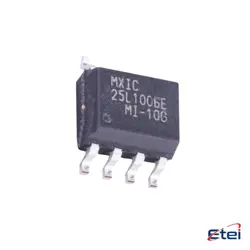
圖片僅供參考
ADRV9364-Z7020
+物料清單RF TXRX MODULE WIFI SMD
-
製造商ADI公司
-
製造商部分 #ADRV9364-Z7020
-
有存貨21198
365 天品質保證
7*24 小時服務保證
90-日售後保障
正品保證
規格
| 屬性 | 價值 |
| Part Status | Active |
| RF Family / Standard | WiFi |
| Frequency | 70MHz ~ 6GHz |
| Utilized IC / Part | SX1231 |
| Mounting Type | Surface Mount |
| Package / Case | Module |
| Base Product Number | ADRV9364 |
| Digi Key Programmable | Not Verified |
概述
Description
The ADRV9364-Z7020 is a software-defined radio (SDR) development platform that integrates the Analog Devices AD9364 RF transceiver and the Xilinx Zynq-7000 SoC. The AD9364 offers a versatile RF front end with wideband capabilities, supporting a frequency range from 70 MHz to 6 GHz, which makes it suitable for a variety of wireless communication applications. The Zynq-7000 features an ARM Cortex-A9 processor along with programmable FPGA logic, providing a flexible environment for both software and hardware development.
This platform is often used for prototyping and developing wireless communication systems, such as LTE, WiFi, and 5G, due to its capacity to handle complex signal processing tasks. It supports a full-duplex transceiver with bandwidths up to 56 MHz. The combination of the RF transceiver and the processing power of the SoC makes the ADRV9364-Z7020 particularly useful for developers looking to implement custom, high-performance communication solutions. It is typically used in research, prototyping, and educational settings where a high level of integration and flexibility is required.
This platform is often used for prototyping and developing wireless communication systems, such as LTE, WiFi, and 5G, due to its capacity to handle complex signal processing tasks. It supports a full-duplex transceiver with bandwidths up to 56 MHz. The combination of the RF transceiver and the processing power of the SoC makes the ADRV9364-Z7020 particularly useful for developers looking to implement custom, high-performance communication solutions. It is typically used in research, prototyping, and educational settings where a high level of integration and flexibility is required.
Equivalent
The ADRV9364-Z7020 is a software-defined radio (SDR) module developed by Analog Devices. Equivalent products include the Ettus Research USRP B200/B210 series, Lime Microsystems LimeSDR, and Nuand BladeRF. These products offer similar SDR capabilities, including wideband transceivers suitable for various wireless communication applications. The specific choice depends on factors like frequency range, bandwidth, and processing requirements.
Features
The ADRV9364-Z7020 is a versatile radio frequency transceiver module designed for software-defined radio applications. It integrates the Analog Devices AD9364 transceiver and the Xilinx Zynq-7000 series system-on-chip (SoC). Key features include:
1. Frequency Range: Operates from 70 MHz to 6 GHz.
2. Bandwidth: Supports up to 56 MHz of channel bandwidth.
3. Integration: Combines RF, mixed signal, and digital processing on a single board.
4. Transceiver: Offers 1x1 (single TX and RX) RF configuration.
5. Digital Interface: Connects using a high-speed serial interface.
6. Processing Power: Features dual-core ARM Cortex-A9 processors within the Zynq SoC for flexible, high-performance processing tasks.
7. Connectivity: Provides interfaces including Ethernet, USB, and JTAG for development and control.
8. Development Tools: Compatible with ADI’s software tools for easy programming and configuration.
9. Applications: Ideal for various applications such as base stations, point-to-point communication systems, and electronic warfare.
These features make the ADRV9364-Z7020 suitable for a wide range of wireless communication applications and research in RF and digital signal processing.
1. Frequency Range: Operates from 70 MHz to 6 GHz.
2. Bandwidth: Supports up to 56 MHz of channel bandwidth.
3. Integration: Combines RF, mixed signal, and digital processing on a single board.
4. Transceiver: Offers 1x1 (single TX and RX) RF configuration.
5. Digital Interface: Connects using a high-speed serial interface.
6. Processing Power: Features dual-core ARM Cortex-A9 processors within the Zynq SoC for flexible, high-performance processing tasks.
7. Connectivity: Provides interfaces including Ethernet, USB, and JTAG for development and control.
8. Development Tools: Compatible with ADI’s software tools for easy programming and configuration.
9. Applications: Ideal for various applications such as base stations, point-to-point communication systems, and electronic warfare.
These features make the ADRV9364-Z7020 suitable for a wide range of wireless communication applications and research in RF and digital signal processing.
Manufacturer
The ADRV9364-Z7020 is manufactured by Analog Devices, Inc. Analog Devices is a multinational semiconductor company that specializes in the design, manufacturing, and marketing of a wide range of analog, mixed-signal, and digital signal processing (DSP) integrated circuits. The company serves various industries, including telecommunications, automotive, industrial, healthcare, and consumer electronics. Analog Devices is well-known for its extensive portfolio of products that address high-performance signal processing challenges, including data converters, amplifiers, radio frequency (RF) devices, power management products, and sensors. The ADRV9364-Z7020, specifically, is a system-on-module that integrates a software-defined radio (SDR) with processing capabilities, and it is used in applications requiring flexible and adaptable communication systems.
Application
The ADRV9364-Z7020 is a software-defined radio (SDR) platform that integrates a wideband transceiver with a Zynq SoC, making it suitable for various applications. Key areas include:
1. Wireless Communications: Development and prototyping of 2G, 3G, 4G, and emerging 5G technologies.
2. IoT: Connectivity solutions for Internet of Things applications.
3. Defense and Aerospace: Radar, electronic warfare, and secure communications.
4. Broadcast: Radio and TV broadcasting infrastructure.
5. Research and Development: Academic and industrial research in advanced wireless technologies.
6. Test and Measurement: Signal analysis and network testing.
Its flexibility and programmability make it ideal for applications requiring rapid prototyping and development.
1. Wireless Communications: Development and prototyping of 2G, 3G, 4G, and emerging 5G technologies.
2. IoT: Connectivity solutions for Internet of Things applications.
3. Defense and Aerospace: Radar, electronic warfare, and secure communications.
4. Broadcast: Radio and TV broadcasting infrastructure.
5. Research and Development: Academic and industrial research in advanced wireless technologies.
6. Test and Measurement: Signal analysis and network testing.
Its flexibility and programmability make it ideal for applications requiring rapid prototyping and development.
Package
The ADRV9364-Z7020 is a system-on-module (SOM) that integrates the AD9364 RF Agile Transceiver and the Xilinx Zynq-7000 Z-7020 SoC. The module is typically housed in a compact, robust format designed for rapid prototyping and development in wireless communication applications. The specific package type is not typically separately defined for modules like these, as they are more about function than packaging.